We all know that what we eat plays a role in how we feel, but it also shapes how we think, focus, and age. While the connection between food and healthy aging has been well-established, more recently scientists have found a relationship between certain foods and how the brain functions even beyond early development in children. From improved memory to better motor skills and reduced risk of dementia and Alzheimer’s disease, what’s on your plate can affect your gray matter. While eating any plant foods helps reduce inflammation and promote healthy blood flow (two important factors in brain health), including these 10 foods in your diet can help bump up your brainpower.
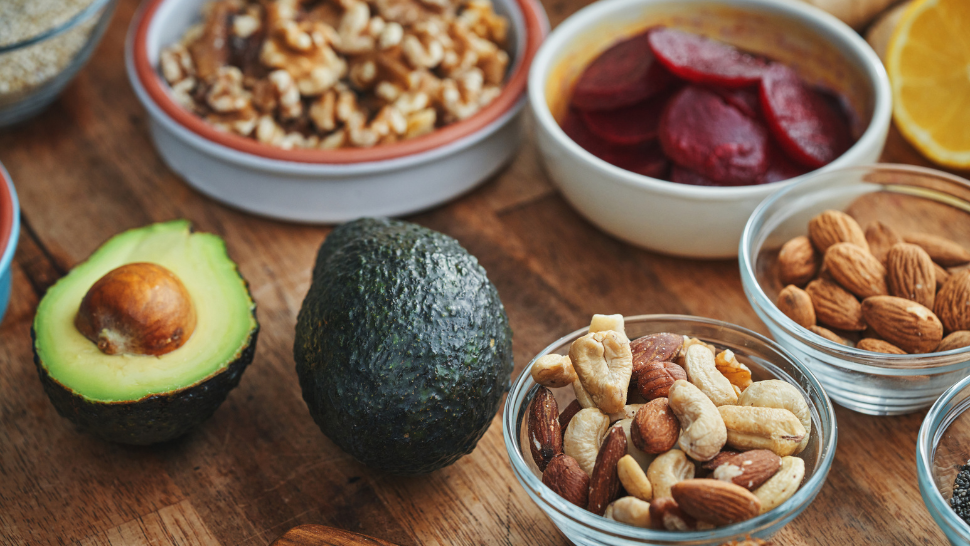
- Avocado: Filled with healthy fats and fiber, avocados promote healthy blood flow to the brain and contribute to optimal brain function and overall health. Enjoy 1/4 to 1/2 of an avocado on a sandwich or salad, in a smoothie, or mashed on toast.
- Wild salmon and sardines: The omega-3 fatty acids in these and other fat-rich fish are essential for brain development and function and may also improve mental health and ease inflammation. Plant sources of omega-3 fatty acids like flax, chia, and hemp seeds may provide some benefit as well. Give this olive oil poached salmon a try to get a boost of omega-3s.
- Blueberries: Studies have linked blueberry consumption to improved cognitive performance, specifically memory. Blueberries and strawberries may also slow cognitive decline due to the powerful phytonutrients found in these berries. Enjoy as a snack, on top of your salad, yogurt, or oatmeal.
- Walnuts (and other nuts): Diets rich in walnuts have been tied to better mental performance and improved cognitive function. Grab a handful as a snack or toss a few in a pasta dish or whole grain salad for an added crunch.
- Lentils and other pulses: Packed with B vitamins and folate, pulses help protect cognitive function and support overall brain health. They’re not just for soup – enjoy in a pasta sauce, stir-fry, or as a base for a protein-packed salad.
- Pumpkin seeds: Are rich in zinc, which is essential for brain development and cognitive function. Additionally, the B vitamins and magnesium found in pumpkin seeds may also reduce cognitive impairment later in life and can possibly improve your mood! Roast your own seasonally.
- Beets: The nitrates in beets may improve blood flow to the brain, along with inflammation fighting phytonutrients that support brain health. Enjoy roasted beets as a hearty side or shred them for an interesting addition to a salad or a blended burger.
- Turmeric: Curcumin, the active compound in turmeric, may slow progression of Alzheimer’s by slowing the formation and assisting in removal of beta amyloid plaques associated with the disease. It’s also a powerful anti-inflammatory spice that may promote overall brain health. Its bright yellow color adds a beautiful aesthetic quality to sauces, soups, and other dishes. Feeling adventurous? Try a golden milk latte or coconut curry soup.
- Caffeine: Moderate coffee and tea consumption has been linked to lower risk of dementia and stroke. It’s thought to be due to a combination of caffeine and polyphenols that fight inflammation. Drink your beverages however you like them – black or with a little milk.
- Dark chocolate: Yes, a little treat can be good for your attention. Research has linked cacao consumption with improved cognitive function, neuroplasticity, visual attention, and verbal fluency.
Supporting your brain can be as simple as building meals and snacks around nourishing, flavorful foods like these. At the same time, being mindful of foods that may contribute to inflammation, such as those that are more refined, contain saturated or trans fats, and have excessive added sugars, can also play a role in how you feel as you age. Remember, a well-fed brain is a happy brain – there’s no need for perfection; simply leaning toward more whole foods and including plenty of plants, in a way that feels realistic and enjoyable for you, can offer your brain steady support.